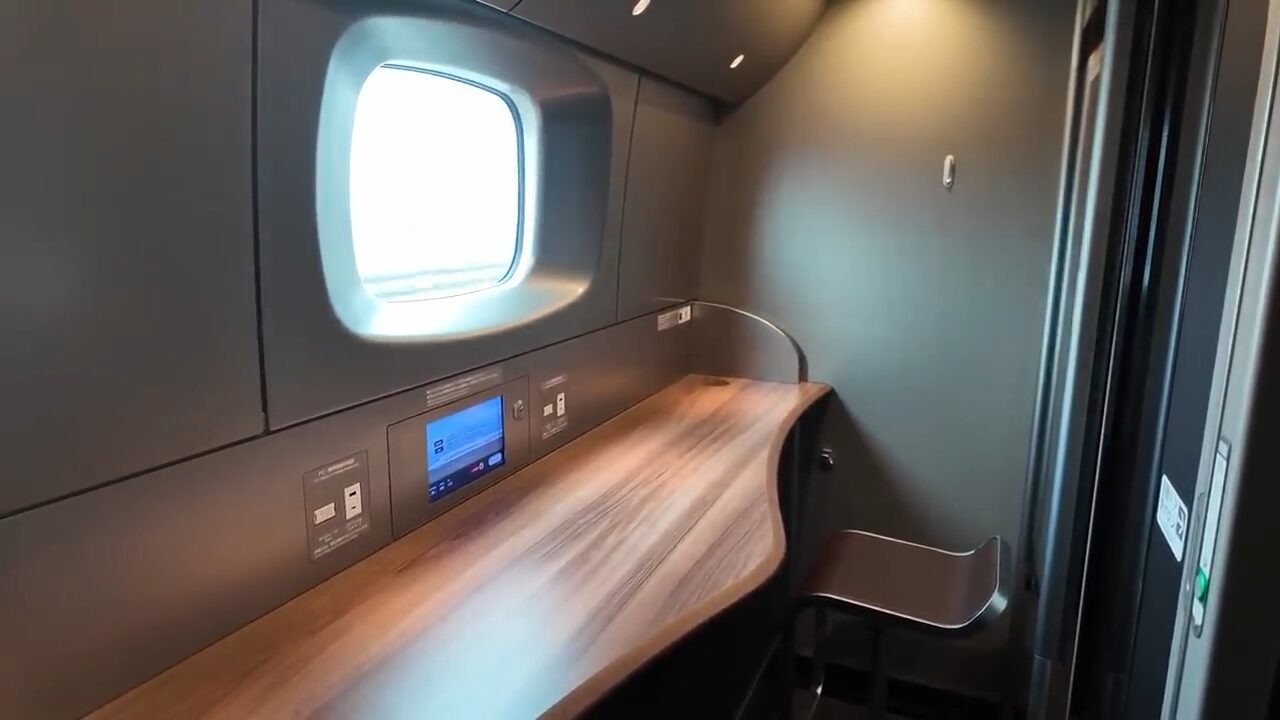
Most people picture the Shinkansen as rows of reclining seats and a snack cart rolling by. However, on the Tokaido and Sanyo Shinkansen lines, a different option exists: the S Work car, a business-focused carriage built for calls, video meetings, and focused work. Inside it sits something even more surprising — a single, fully private, lockable room, bookable by the hour for about 1,500 yen.
We rode from Tokyo to Osaka to try it out, along with the S Work P Seat, a business-class-style seat with 1.5 times the usual space. Here’s what both experiences are actually like, plus how to book them yourself.
Table of Contents
- What Is the Shinkansen S Work Car?
- Picking Up an Ekiben at Tokyo Station
- Boarding the N700S
- The S Work P Seat: 1.5 Seats to Yourself
- Booking the Private Business Booth
- Inside the Booth: Price, Setup, and Rules
- Working with a View: One Small Downside
- How Fast Is the S Work Wi-Fi?
- Lunch Break: Ekiben and a Beer
- Arriving in Osaka
- Practical Information and Final Thoughts
What Is the Shinkansen S Work Car?
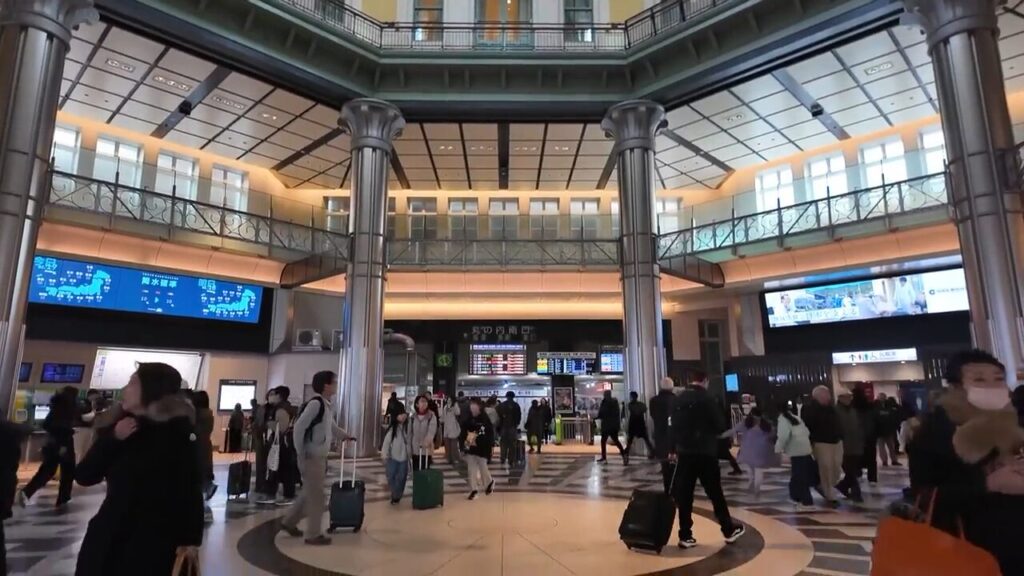
JR Central introduced the S Work car for the N700S Shinkansen, aiming it squarely at business travelers. The car occupies Car 7 on reserved-seat trains, and it allows passengers to take phone calls and join video meetings, something normally frowned upon elsewhere on the train. Anyone can book a seat here, not just business travelers, which makes it a solid option for anyone who simply wants a quieter, work-friendly space.
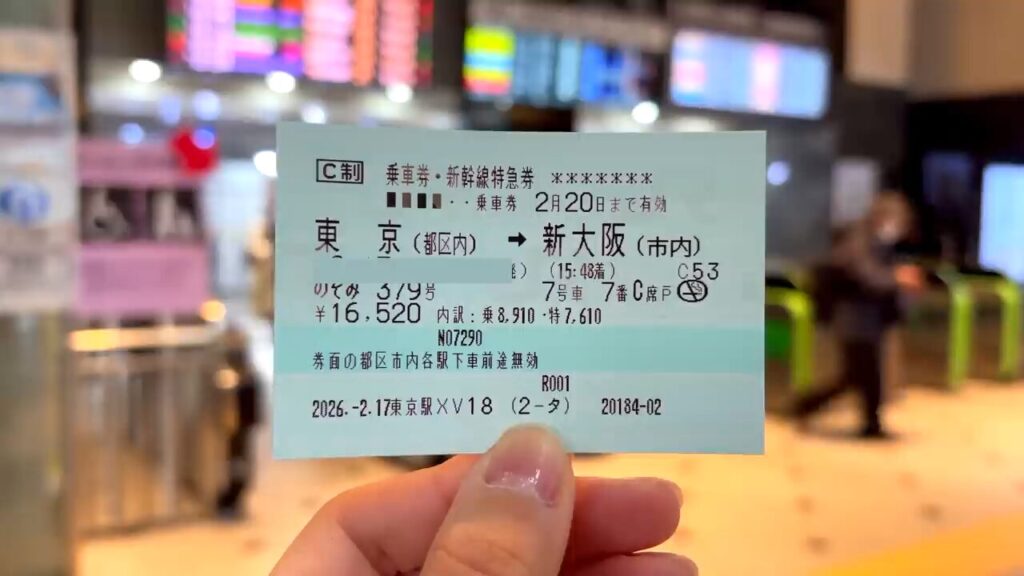
Picking Up an Ekiben at Tokyo Station
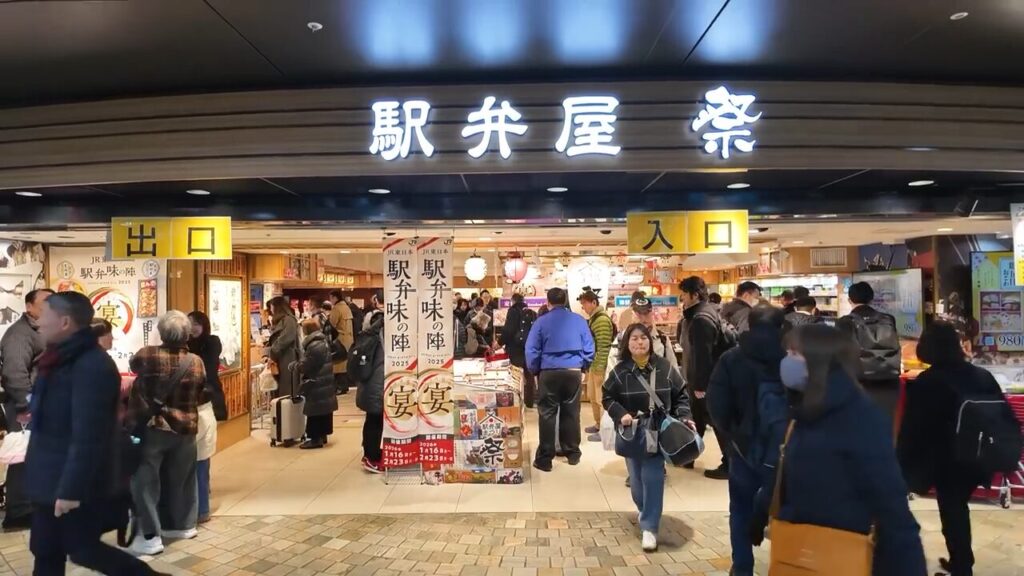
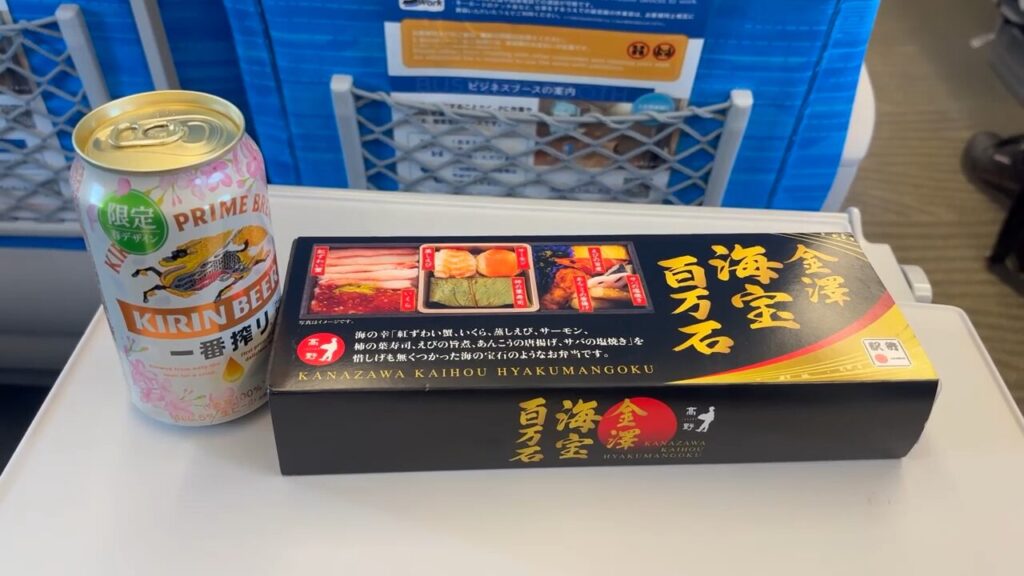
Before boarding, we stopped by Tokyo Station’s ekiben corner, often called the spiritual home of Japan’s bento culture. The shop stocks somewhere between 150 and 200 different bento boxes from all over the country. We picked “Kaiho Hyakumangoku,” a seafood bento from Kanazawa, mostly because the packaging caught our eye. A beer went into the bag too, and with that, we were ready for the trip.
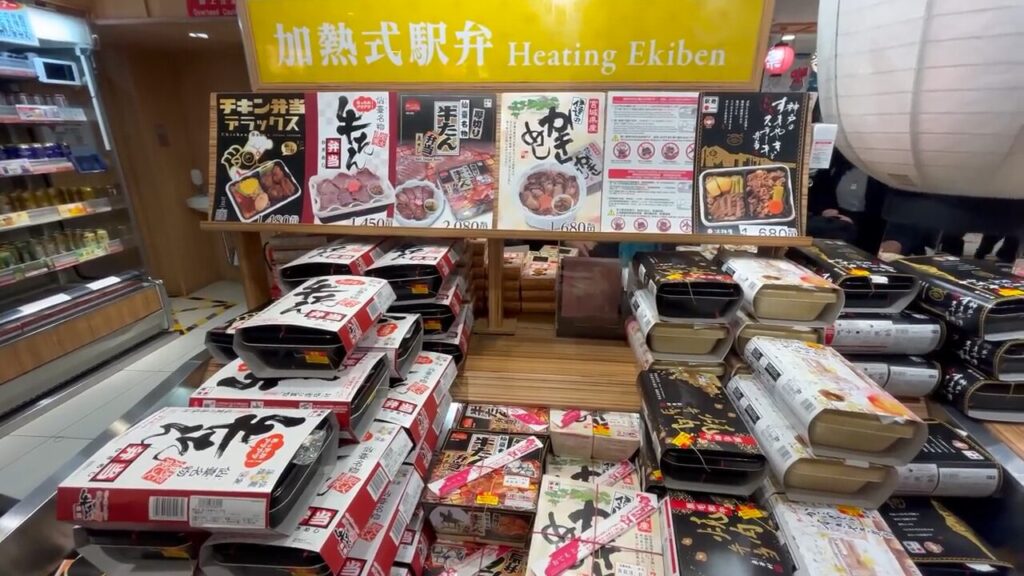
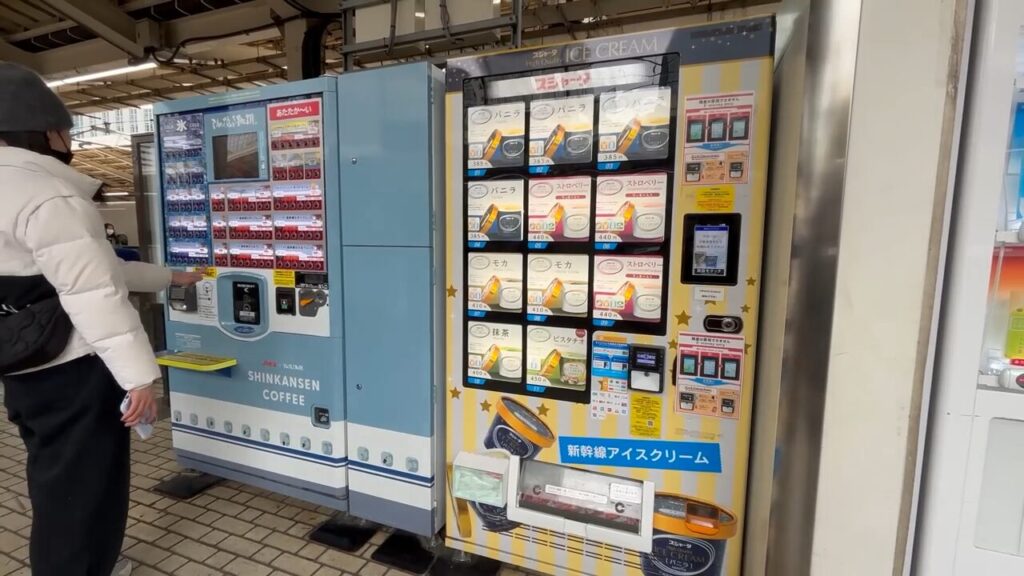
On the platform, trains came and went constantly. Tokyo Station handles roughly 4,100 Shinkansen and train departures a day, and the platform stayed busy the entire time we waited. Alongside the usual staffed kiosks, we also spotted vending machines selling both ice cream and coffee.
Boarding the N700S
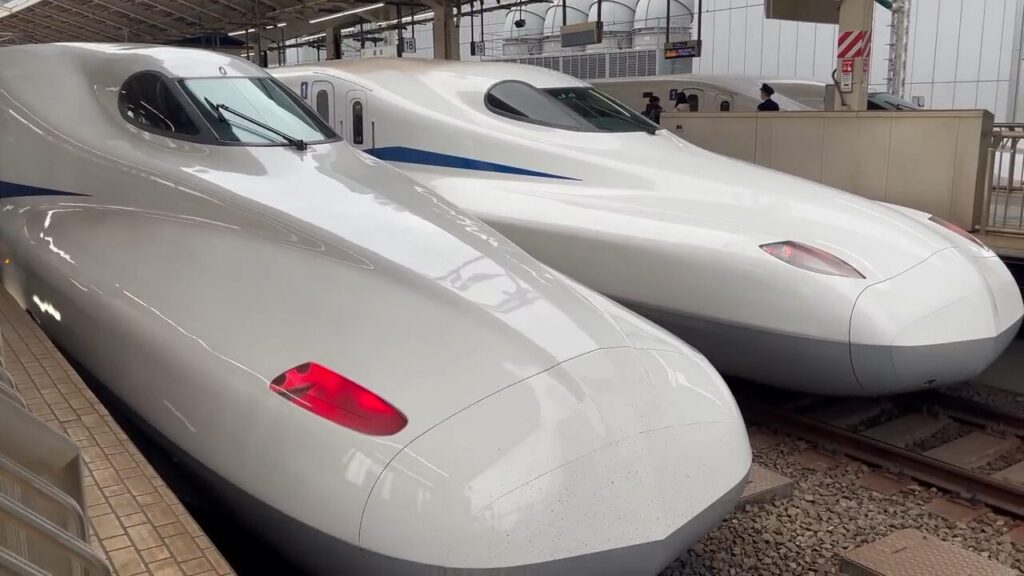
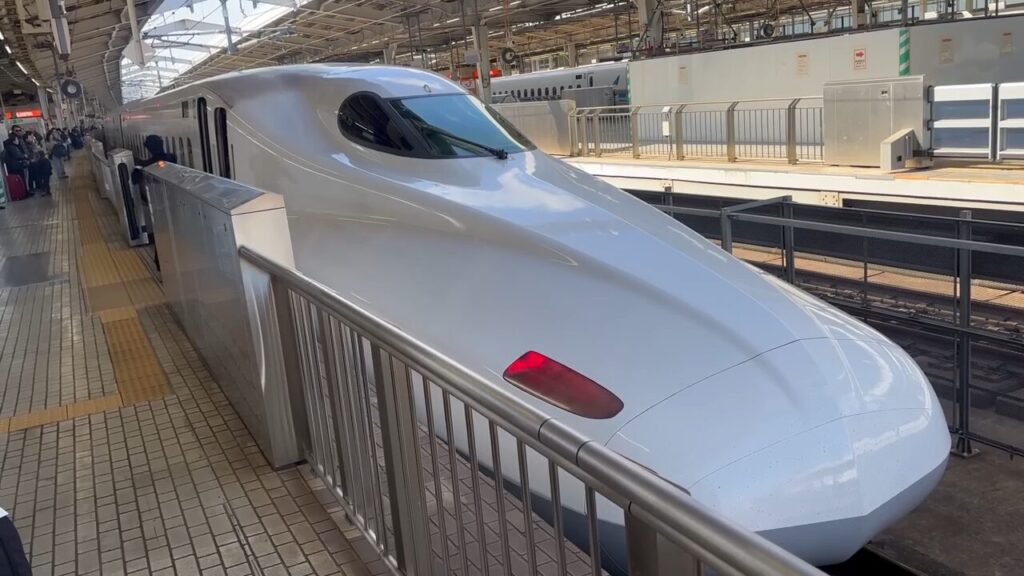
Our train, the N700S series, pulled in right on schedule. At 16 cars long, it took a while just to walk to Car 7, where the S Work car begins.
The S Work P Seat: 1.5 Seats to Yourself
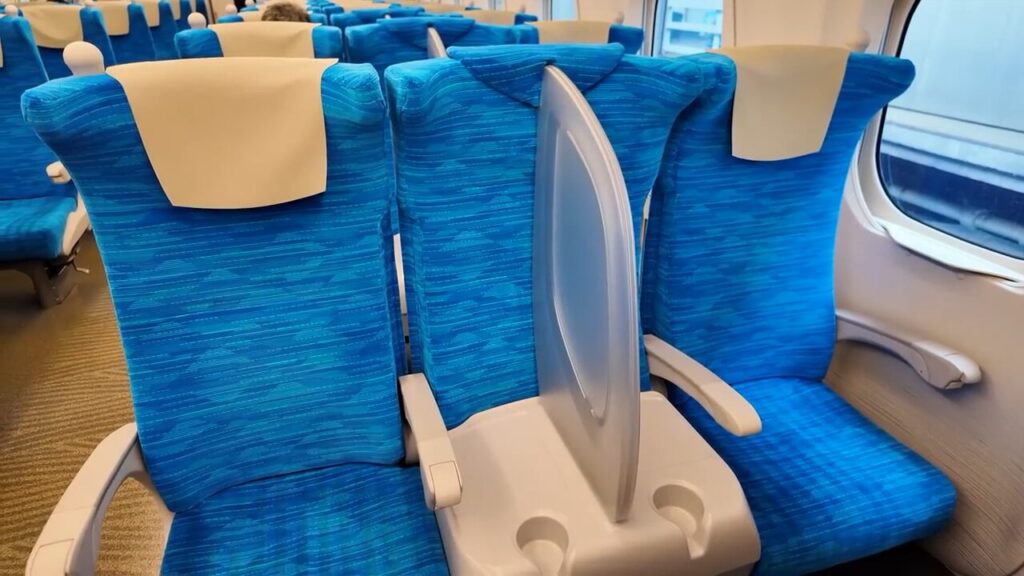
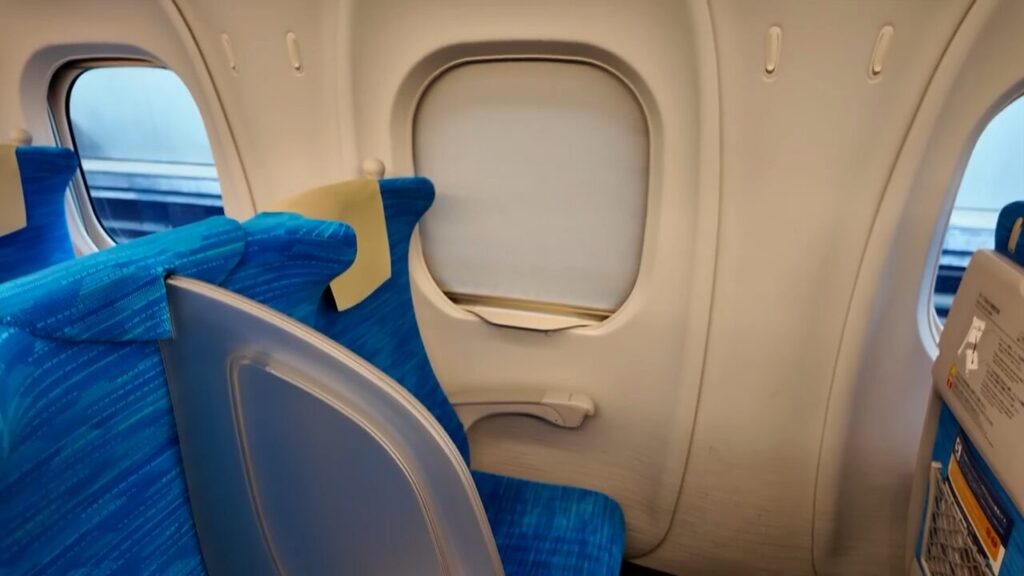
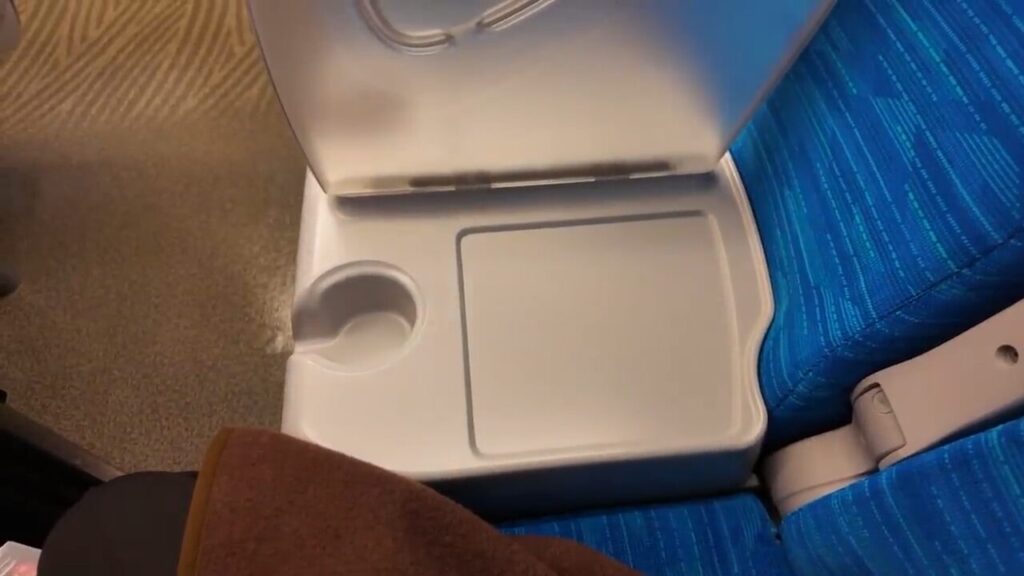
We’d booked the S Work P Seat, one of only ten such seats on the entire train. In a standard three-across row, a partition splits the middle seat in two, giving a single passenger about 1.5 times the normal amount of space.
The seat itself looks nearly identical to a regular Shinkansen seat. It comes with a hook for bags, a window blind, and generous overhead storage for larger luggage. The middle “half-seat” doubles as a drink holder, and the partition blocks sightlines to the seat next door. For anyone who regularly works on a laptop during the ride, and there are plenty of them on this route, that little bit of visual privacy makes a real difference.
At 1:21 PM, the train pulled out of Tokyo. From here, the ride to Osaka takes about two and a half hours.
Booking the Private Business Booth
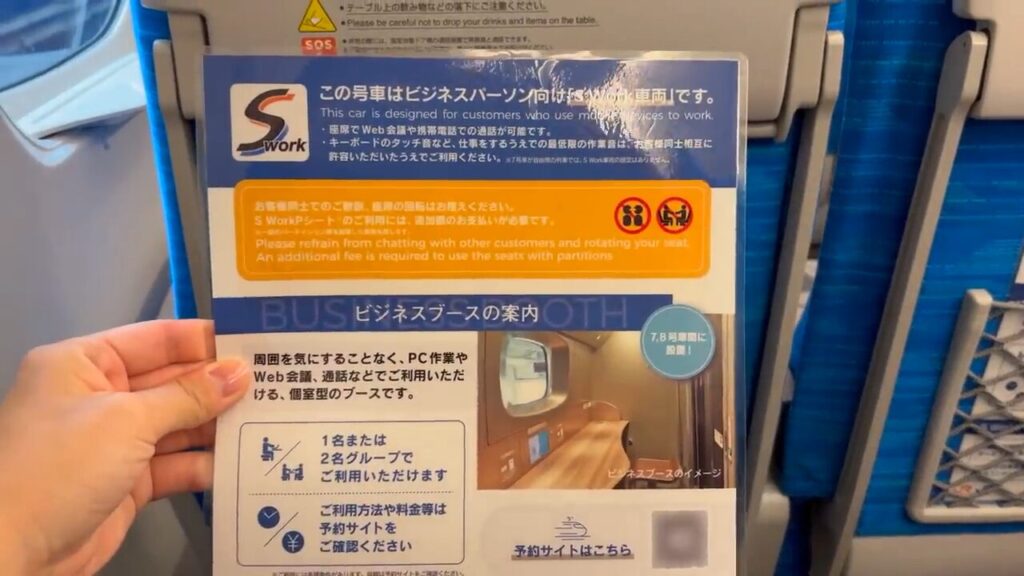
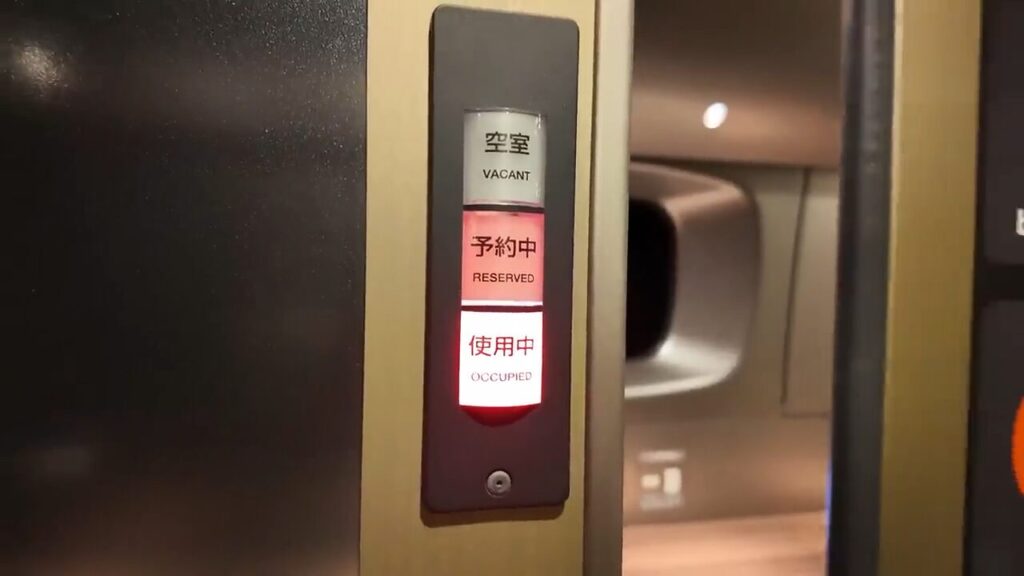
The real highlight of the S Work car, though, is something else entirely: a single private business booth, available for an hourly fee. We booked it for 1,500 yen an hour, and the booth locks from the inside, giving you a genuinely private space to work.
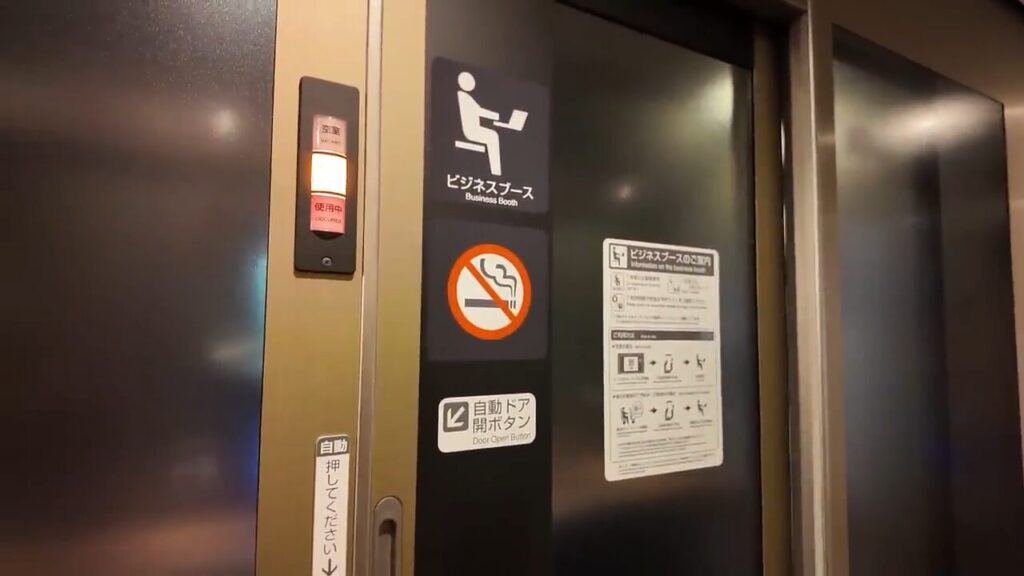
This booth used to be a smoking room before JR Central converted it. It sits between Car 7 and Car 8. Once inside, it barely resembles its former use at all. It looked spotless, and we couldn’t detect any lingering odor.
Inside the Booth: Price, Setup, and Rules
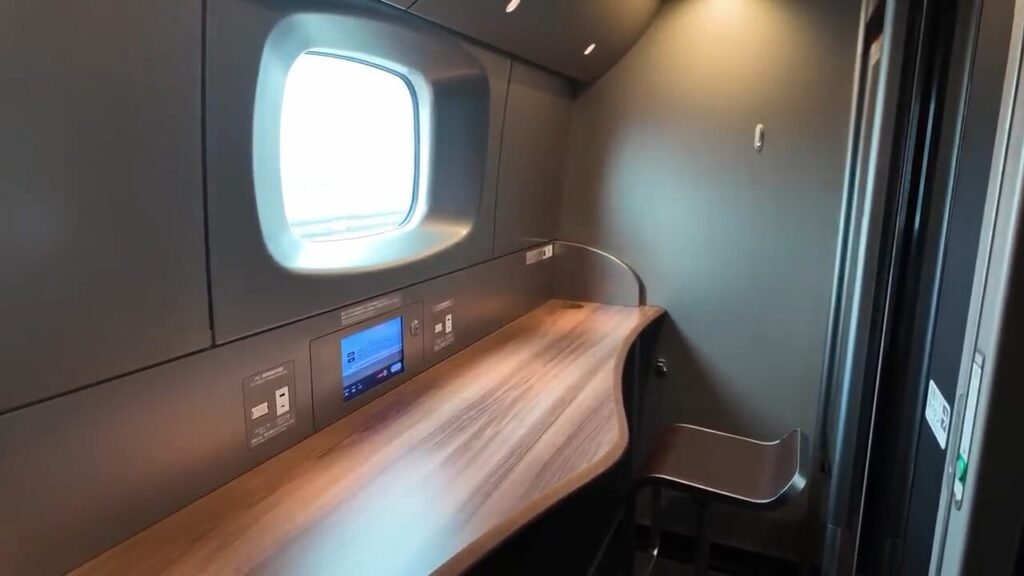
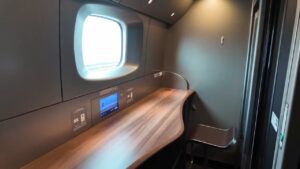
The room itself keeps things simple, with just a table and a chair. Up to two people can use it per booking. To start a session, you enter a reservation number at the door, then lock it behind you for complete privacy.
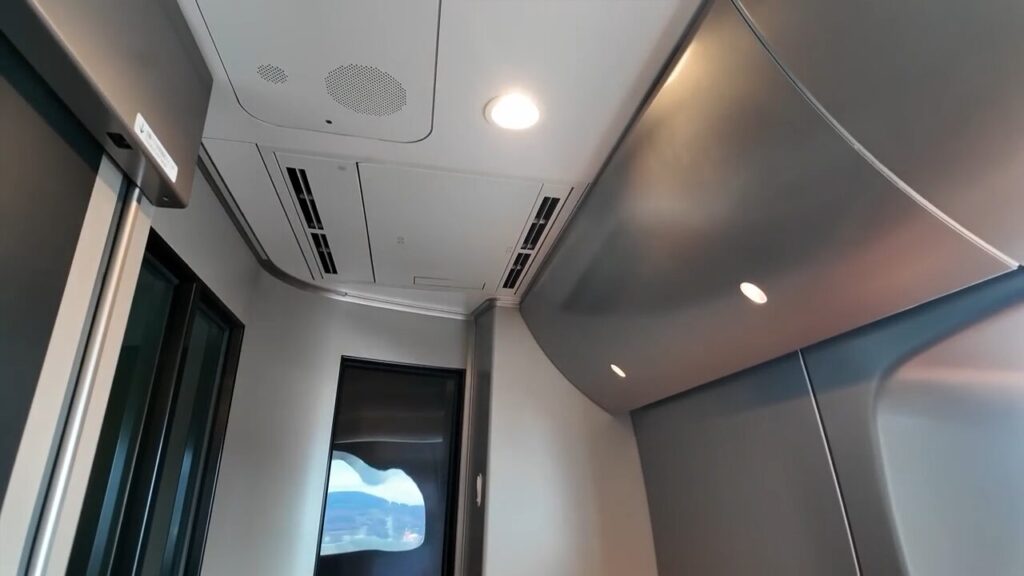
The space feels a lot like a small, quiet internet café booth. Pricing starts at 200 yen for 10 minutes, up to a maximum of 1,500 yen for a full hour. The bench seat is fixed in place, though its height adjusts, and the table runs the full width of the room, giving plenty of surface for spreading out documents. Two air conditioning units sit in the ceiling, and thanks to the room’s higher-than-expected ceiling, it never felt cramped.
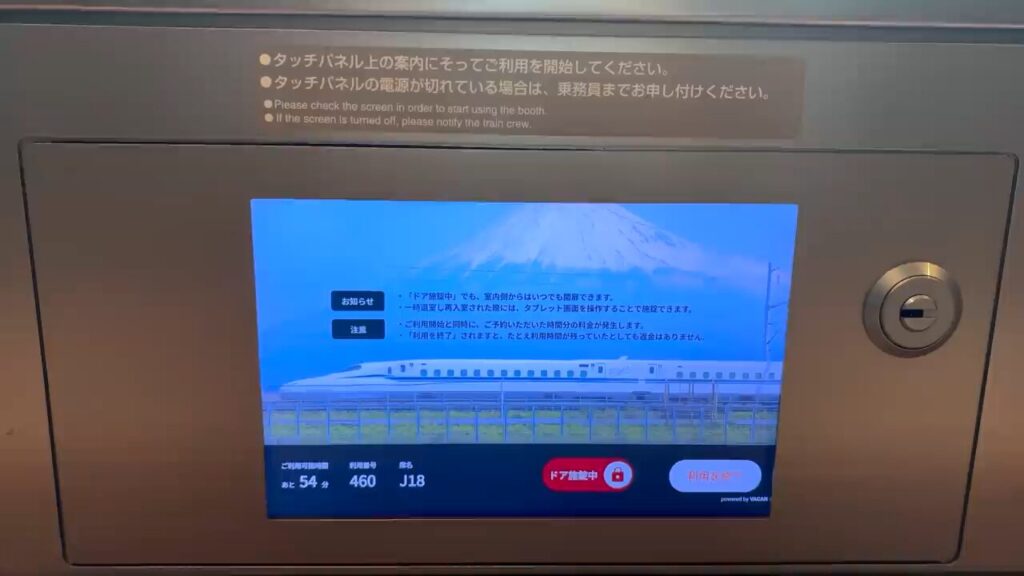
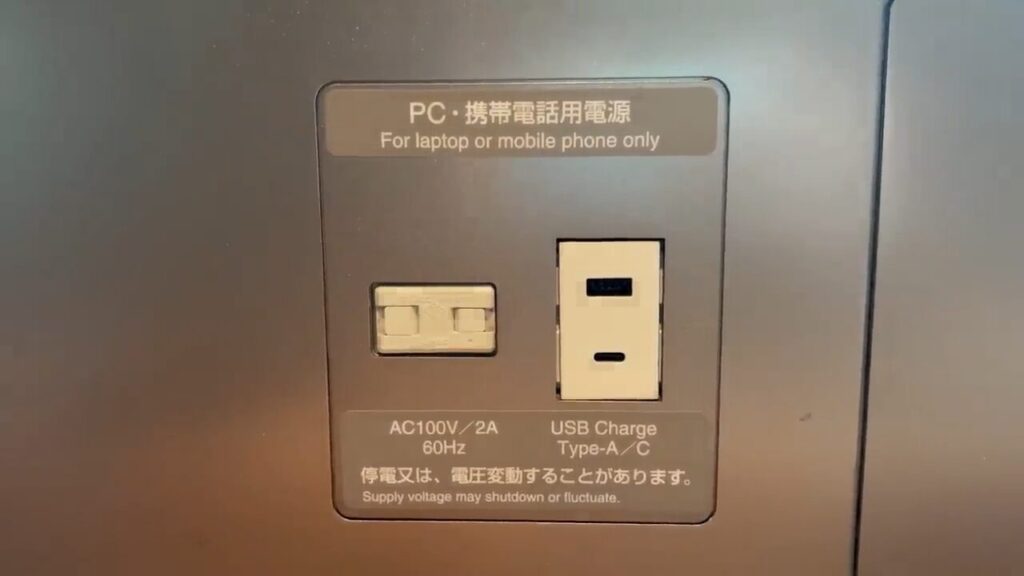
A hook on the wall holds bags, and a small window lets in a bit of light from outside. The table includes a designated spot for drinks too. One small downside: since the seat faces sideways relative to the train’s motion, some passengers might feel slightly more prone to motion sickness. On the plus side, three different charging ports keep laptops and phones fully powered throughout the ride.
Working with a View: One Small Downside
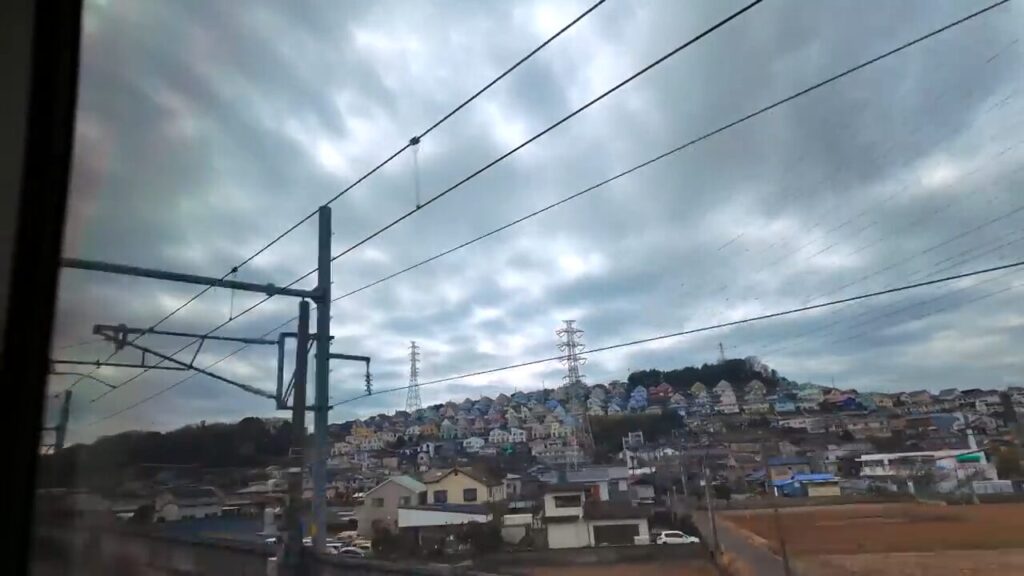
At one point during our session, the train passed a well-known stretch of colorful houses outside the window. Frankly, it made us want to stop working entirely and just watch the scenery instead. You can also step in and out of the booth freely at any point during your booking, which adds a nice bit of flexibility.
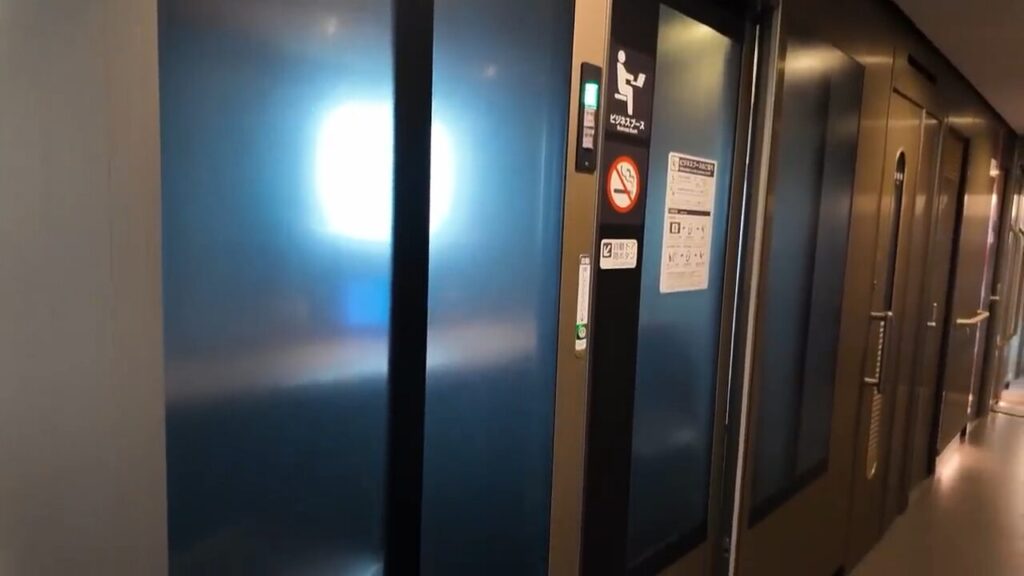
Only Car 7 passengers can book this booth. Its windows use frosted glass throughout, letting a faint outline of the interior show from outside — a deliberate security measure, according to JR Central. Just outside the booth, the corridor includes a restroom, a sink, and a free luggage storage area. Since barely anyone passes through this section, it’s also a comfortable spot for a quick, private phone call.
How Fast Is the S Work Wi-Fi?
Cars 7 and 8 offer a dedicated network called “S Wi-Fi for Biz,” built specifically for business use. In practice, the connection held up impressively well, staying smooth enough to stream YouTube without buffering, even inside tunnels. JR Central also plans to add fully enclosed private seating to the Shinkansen this October, which sounds like a genuinely exciting upgrade to look forward to.
A bell rang ten minutes before our booking ended, signaling it was almost time to leave. Given the added cost, using the booth every day probably isn’t realistic for most travelers. Still, it feels like exactly the kind of service worth booking for an important meeting or a day that demands real focus. With another guest waiting outside, we headed back to our seat.
Lunch Break: Ekiben and a Beer
Back in the S Work P Seat, every seat around us had filled up. From here, it was finally time to relax. Eating and drinking are completely fine in the S Work car, and this stretch of the ride might be the most enjoyable part of any Shinkansen trip.
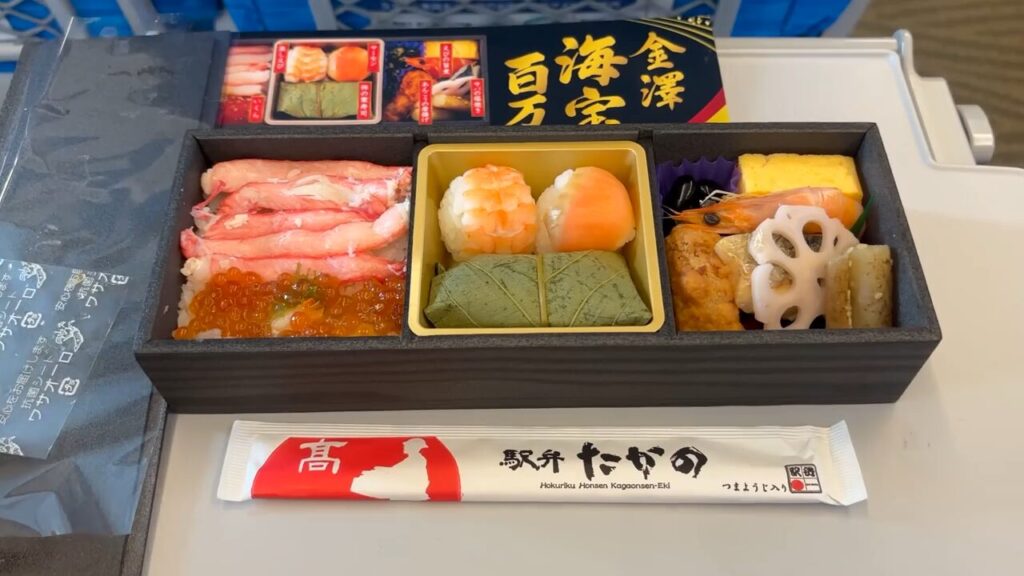
It turned out our bento was actually a new seasonal release. Since everyone nearby seemed deep in work mode, cracking open a beer felt a little awkward at first. Still, we went for it anyway, quietly opening the cherry-blossom-patterned box as gently as possible, trying not to feel too out of place.
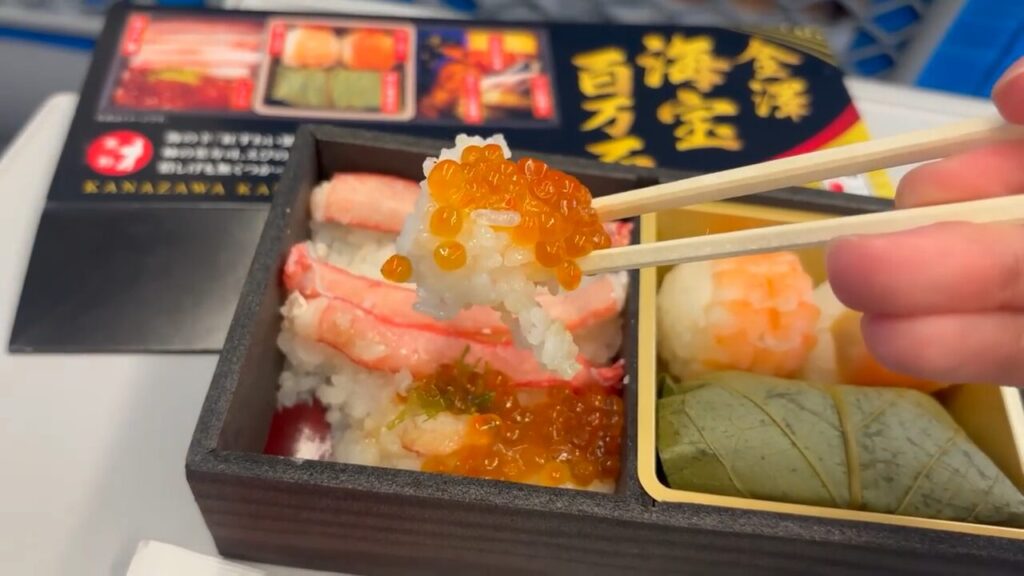
Despite its modest size, the bento came packed with seafood. Crab meat and salmon roe covered the rice underneath, looking every bit as good as it tasted. In the center sat shrimp and salmon sushi, along with a kaki-no-ha-zushi (persimmon-leaf wrapped sushi), likely made with mackerel. Fried monkfish, tamagoyaki, black beans, and grilled salted mackerel rounded out the box. Honestly, this ranks among the better ekiben we’ve tried in Japan.
Arriving in Osaka
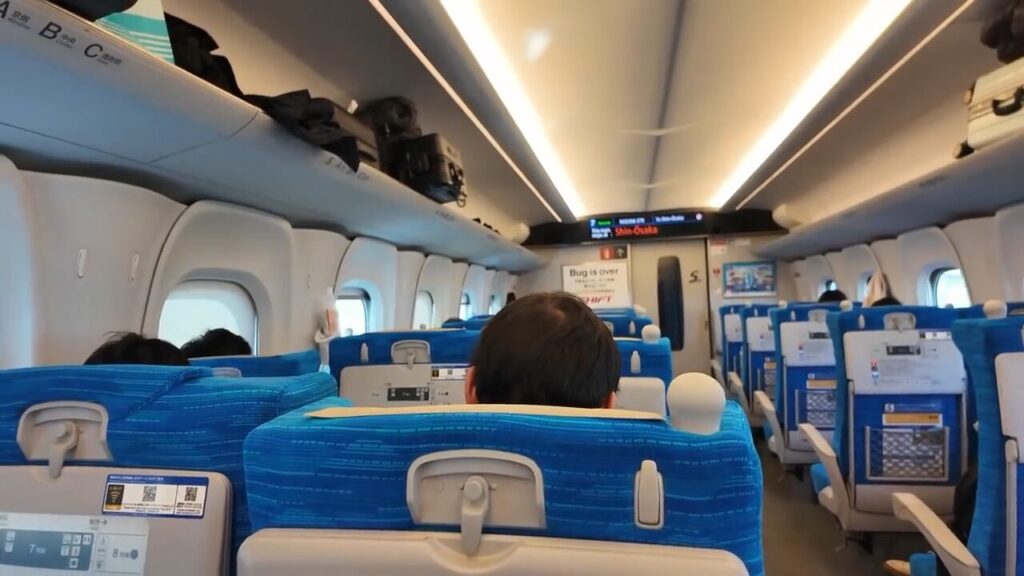
Somehow, a ride that usually feels long flew by this time. Before we knew it, the train had reached Osaka. Needing to work in transit sounds a little intense when you think about it, but the demand for a service like this clearly says otherwise.
Practical Information and Final Thoughts
Feature: S Work car (Car 7) on the Tokaido/Sanyo Shinkansen N700S S Work P Seat: 10 seats per train, 1.5x normal seat width with center partition Private business booth: 1 room per S Work car, lockable, 200 yen per 10 minutes, up to 1,500 yen per hour Wi-Fi: Dedicated “S Wi-Fi for Biz” network in Cars 7 and 8 Route tested: Tokyo to Shin-Osaka, approximately 2.5 hours
This service still runs on only a limited number of Shinkansen trains, but it’s a genuinely clever addition. The private booth suits focused work or an important video call, while the S Work P Seat offers a comfortable middle ground for regular business trips. Either way, it’s worth checking out on your next trip through Japan.
Have you tried a private workspace on a train in Japan or elsewhere? Share your experience in the comments below.
Comments