A Retreat From Modern Life
Sometimes modern life just gets exhausting, and the cure is stepping into a place where time seems to have stopped. That’s exactly what led me to Sagamiko Boat, a quietly extraordinary Showa-era amusement spot on the shores of Lake Sagami in Kanagawa Prefecture — home to a battered, barely-holding-together Wani Wani Panic (Whac-A-Mole) game that still runs for just 10 yen (about 7 cents), an entire wing of empty Heisei-era arcade machines, and the sunken history of a village that now lies at the bottom of the lake.
Armed with a 1,000-yen note (roughly $7) broken into ten 10-yen coins, I spent an entire day playing like a kid again. It turned into one of those bittersweet, deeply nostalgic days where you catch yourself thinking, “I wish this feeling could last forever.”
Arriving at a World Frozen in Time
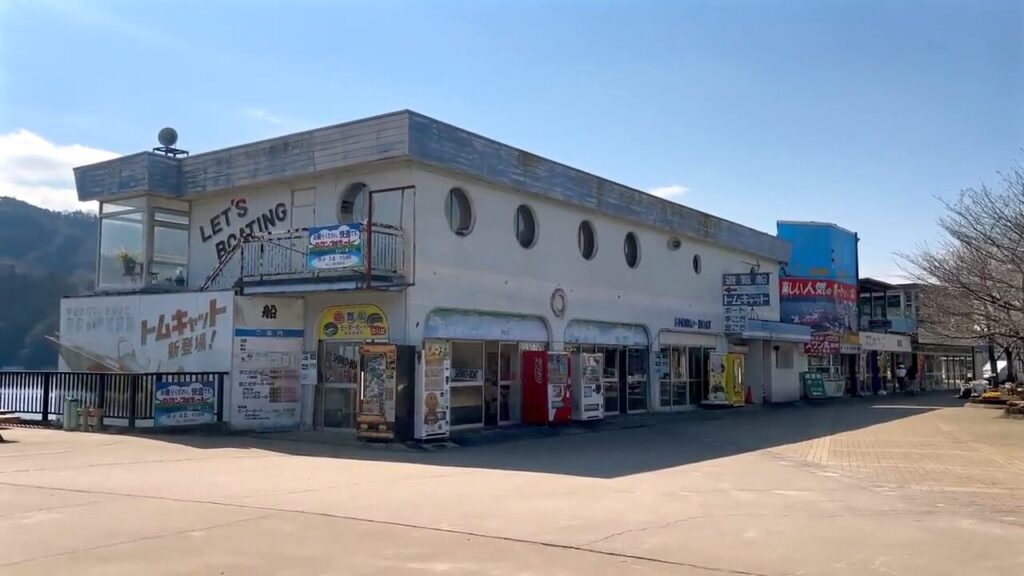
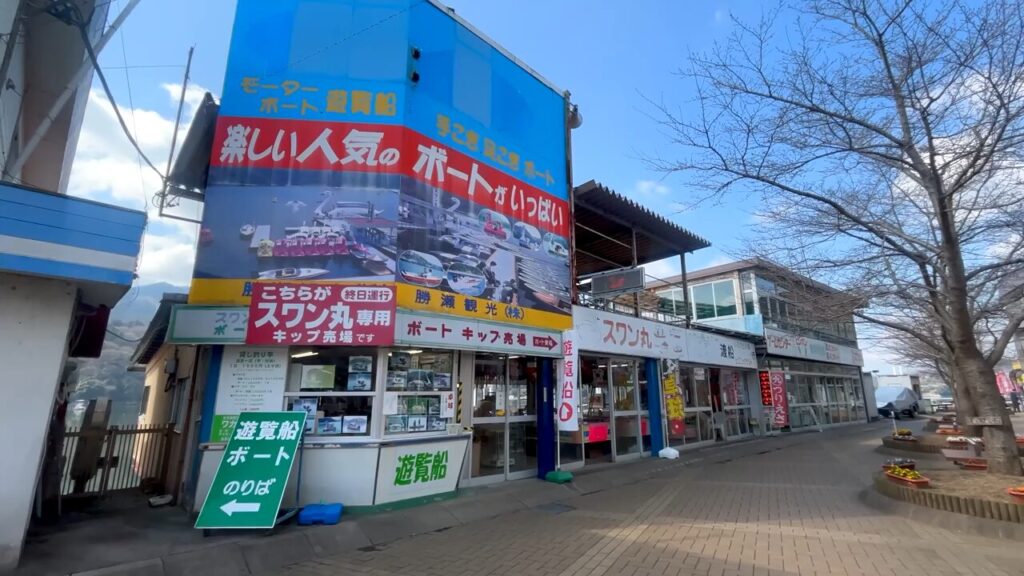
Sagamiko Boat sits in an otherwise peaceful, unassuming neighborhood in Sagamihara City, about a 10-minute walk from the nearest stop. From the outside, the retro charm is already unmistakable — this is a place that’s been operating for more than 70 years, and it shows in the best possible way.
Just 10 Yen (7¢) a Play: The “Merry Crane”
The first thing to try was the “Merry Crane,” a classic crane game that costs just 10 yen (about 7 cents) — with a dedicated coin machine on-site that breaks larger bills into 10-yen coins specifically for this purpose. Despite being over 70 years old, the machine moved with surprising smoothness, no BGM, just the raw mechanical clicks and whirs of a bygone era. It’s the kind of thing you can’t help but watch, mesmerized.
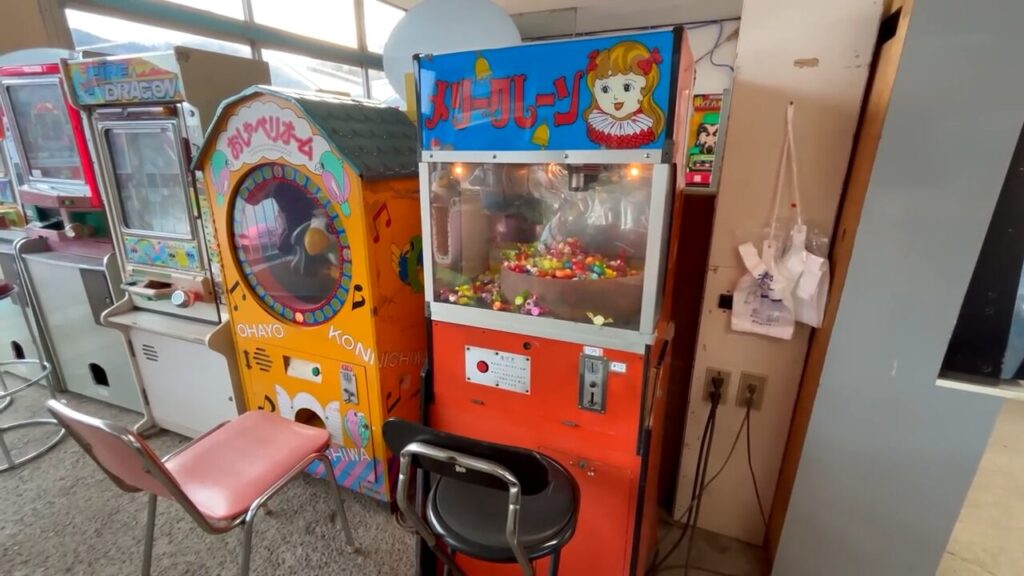
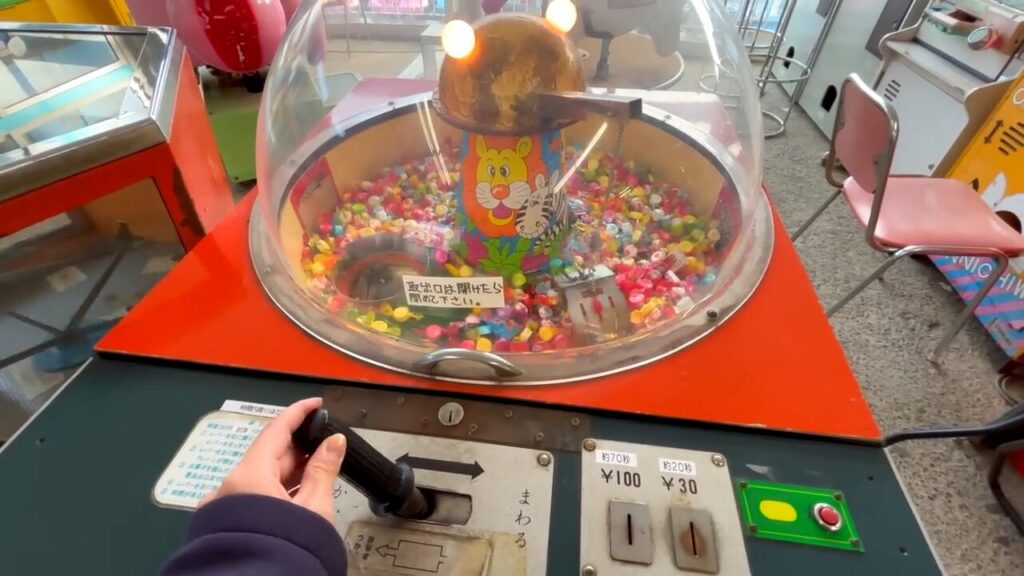
Next up was “Chatting Parrot,” another 10-yen game where you press a button and hope for a win, followed by the “New Space Crane” — considered the original UFO catcher — where 30 yen buys you 30 seconds, or 100 yen gets you 70. Simple in concept, surprisingly tricky in execution.
Other unnamed machines dotted the arcade floor, offering small prizes of candy for lucky timing. On a weekday, the place was quiet enough to fully soak in the retro atmosphere without a crowd. Some machines even had a bigger jackpot on offer — a box of chocolate balls — that could be won by matching colors on a spinning wheel.
A Machine Reborn: “Momotaro”
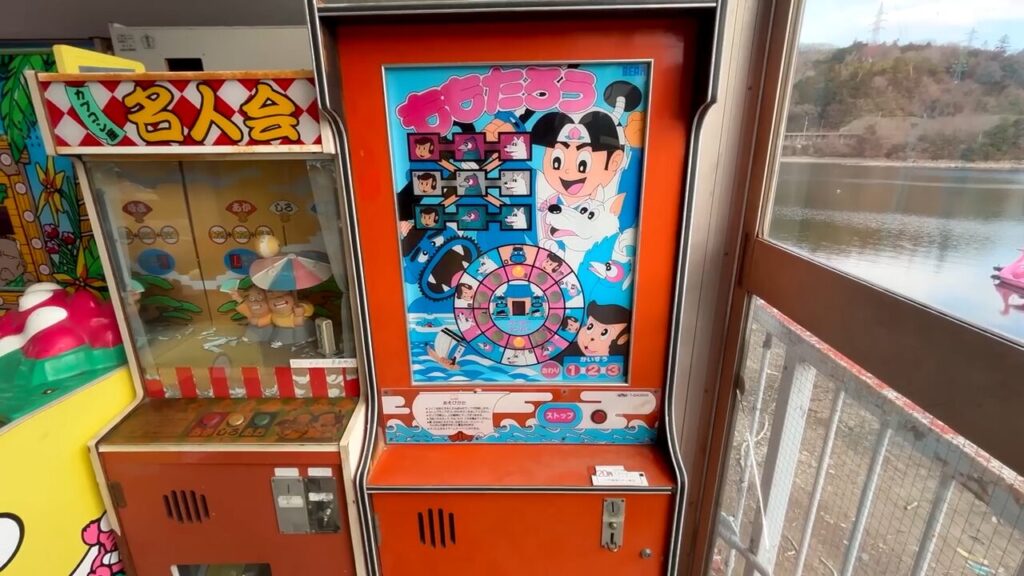
One of the standout finds was “Momotaro,” a machine that had broken down and been lovingly repaired and brought back to life. Like much of the equipment here, it’s clearly been through cycles of breakdown and restoration over the decades, kept alive through careful maintenance. Staff members are on-site to help operate the rides and rentals, and even exchanged newer bills for 10-yen coins by hand when the machine couldn’t handle them.
A Moment of Kindness, and a Return to Childhood
Wandering through the coin-operated ride section revealed a merry-go-round horse with a surprisingly loud, charming jingle, and a penguin-shaped cradle ride with a similarly delightful tune — though both looked a bit too fragile to actually ride.
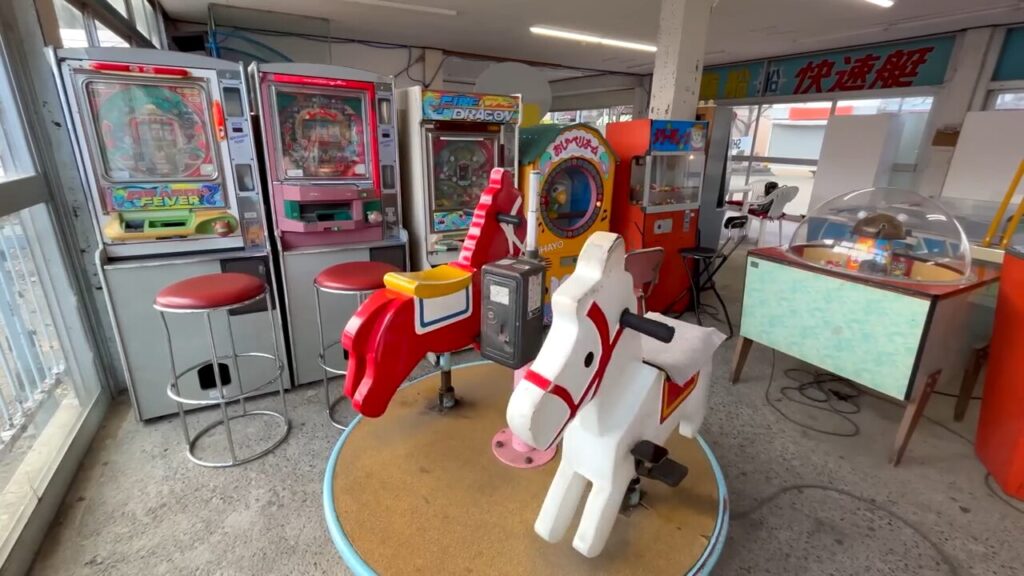
One machine appeared broken and abandoned, and I hesitated to even approach it — until a staff member kindly said, “Go ahead, you can ride it.” That small act of generosity turned into a genuinely joyful moment, riding a coin-operated machine as an adult, feeling like a kid all over again.
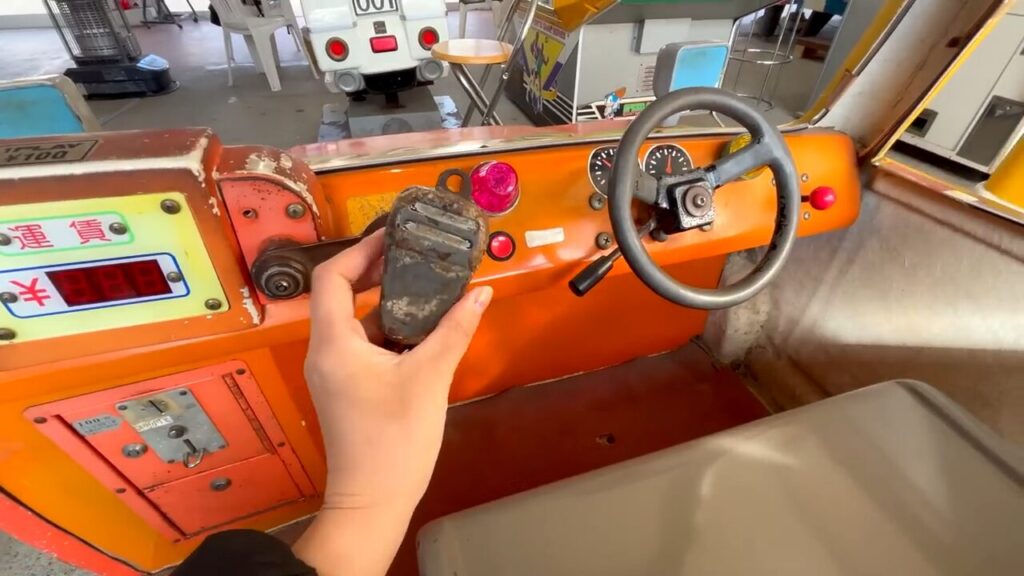
More rideable machines followed: a beautifully maintained toy train complete with authentic sound effects and gentle rocking motion, and right beside it, a “Family Taxi” ride using nearly the same mechanism, its walkie-talkie prop showing decades of wear. Interestingly, these retro machines have a habit of shutting off abruptly, mid-ride, without warning — part of their unpredictable, analog charm.
A Rare Find: The 1975 “Mole Buster”
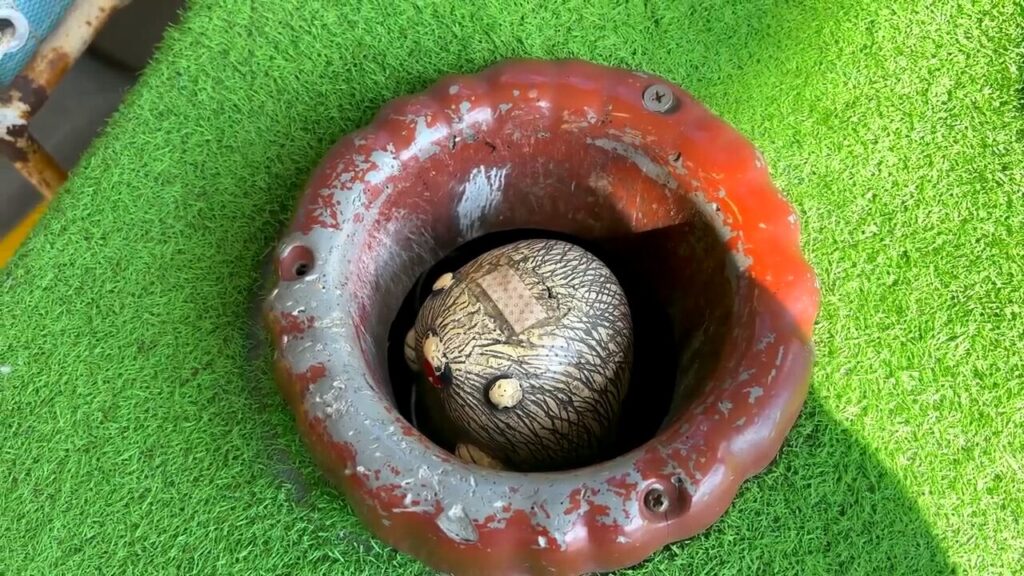
Among the rarest finds of the day was “Mole Buster,” a genuine 1975 whack-a-mole machine — a true relic, and the first time I’d ever encountered this particular game (as opposed to the more famous Wani Wani Panic). The moles popped up with a raw, mechanical sound, one of them permanently stuck halfway up thanks to decades of wear. A small bandage sticker on one mole’s head added an unexpectedly charming detail.
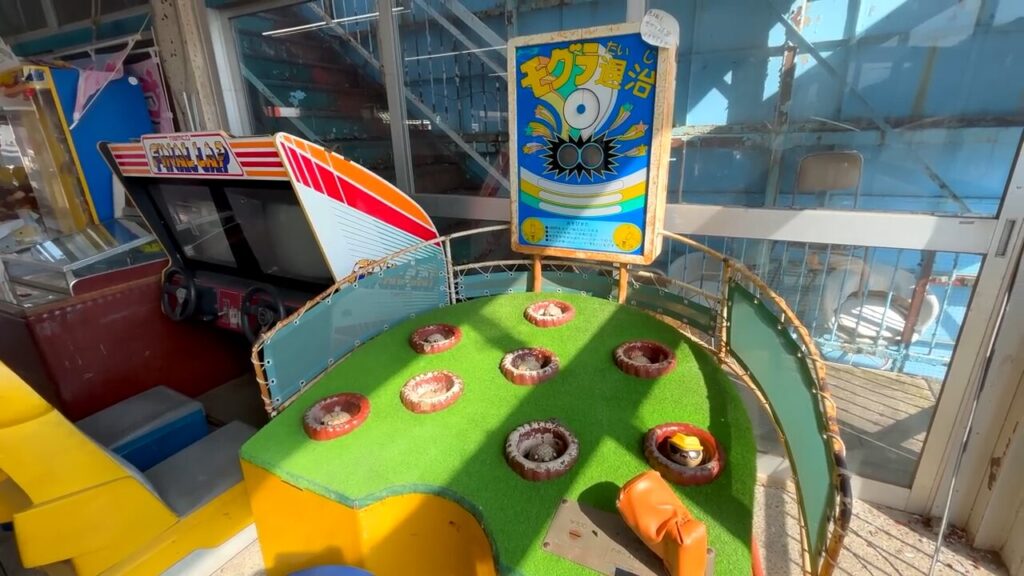
Nearby stood the legendary Wani Wani Panic — but sadly, every single alligator had lost its mouth after what must be thousands of hits over the decades, rendering them unresponsive no matter how hard you hit.
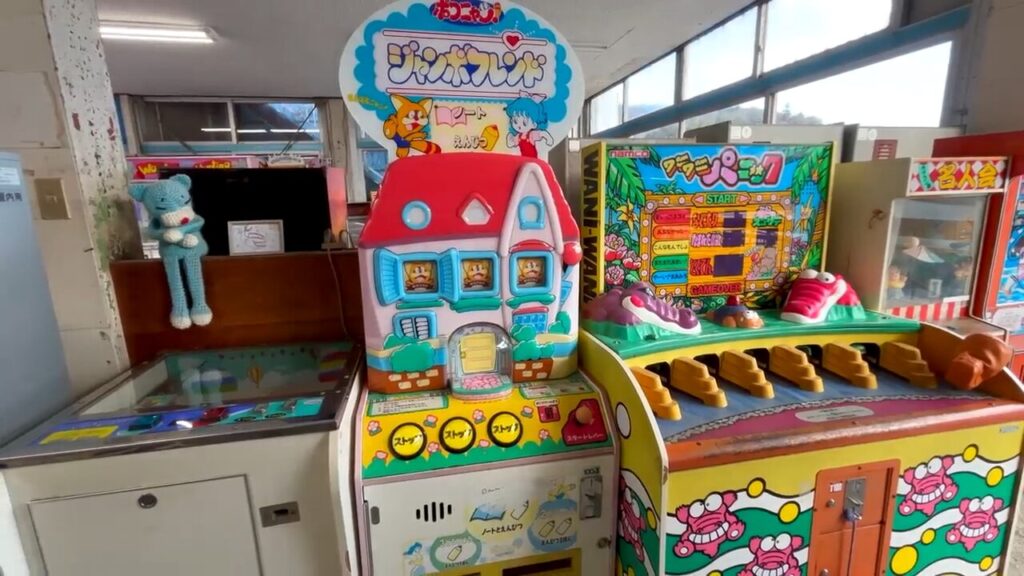
Another rare discovery was Capcom’s “Poko Nyan Jumbo Friend,” a 1996 arcade adaptation of the anime series Poko Nyan!, complete with matching cabinet art, music, and voice lines. A 100-yen slot spin landed a win, earning a pencil as a prize — a small piece of childhood nostalgia rediscovered.
The Heisei Wing: A Dreamcore Annex
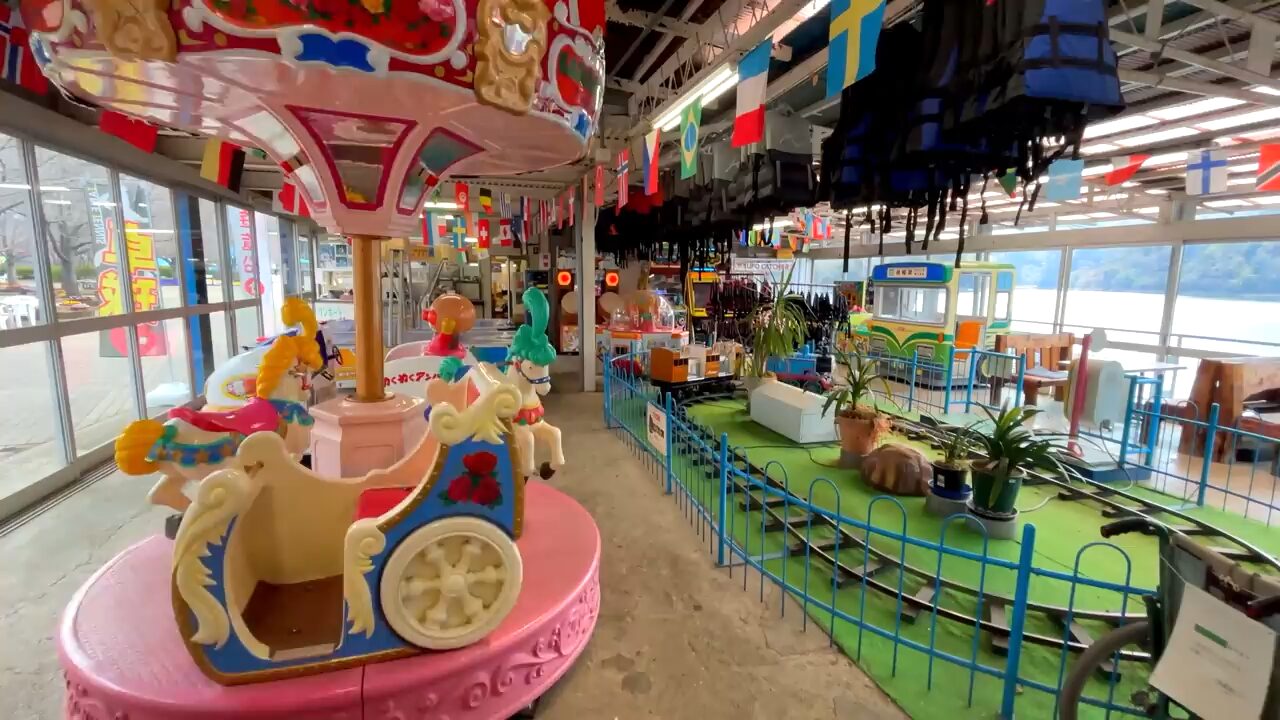
Right next door to the Showa-era arcade sits a second building, largely filled with Heisei-era (1990s–2000s) games — and the atmosphere here shifts entirely, feeling exactly like walking straight into a Dreamcore aesthetic. It brought back memories of the arcade machines that used to sit on department store rooftops. Even the still-inactive merry-go-round (waiting for its power to be switched on) couldn’t dampen the magic of the space.
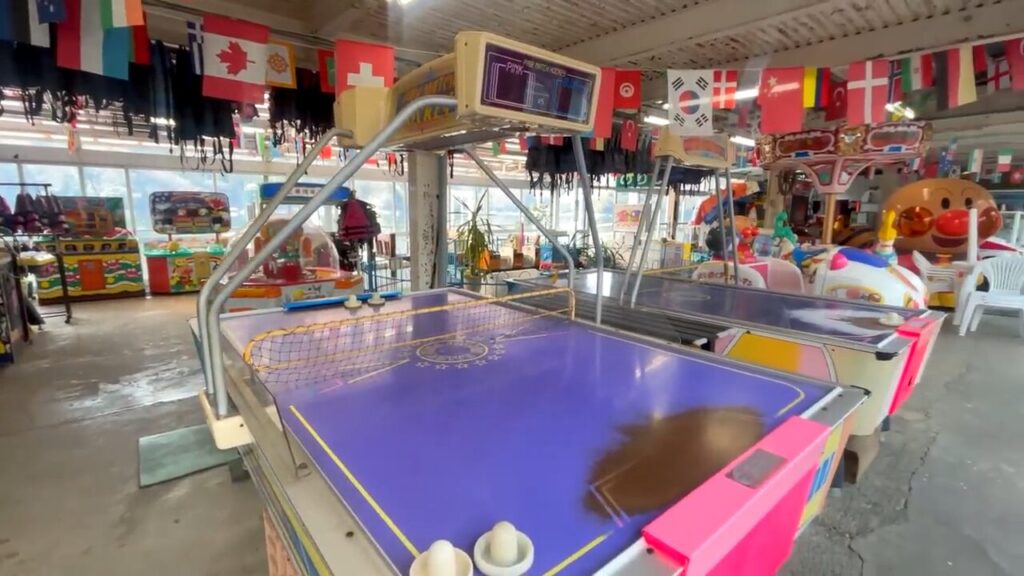
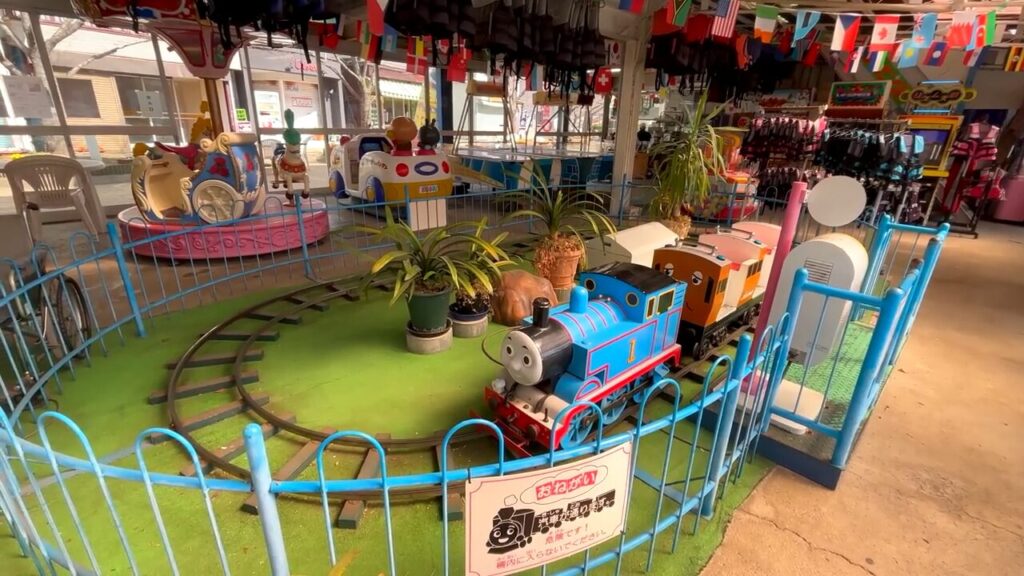
A Thomas the Tank Engine ride followed, and thanks to rising electricity costs, most machines here now cost 200 yen to play — still a bargain considering modern maintenance expenses. Hearing that familiar Thomas theme song brought an unexpected wave of excitement. This is a genuinely quiet, uncrowded gem that any kid would love — and clearly still does, judging by how well everything works.
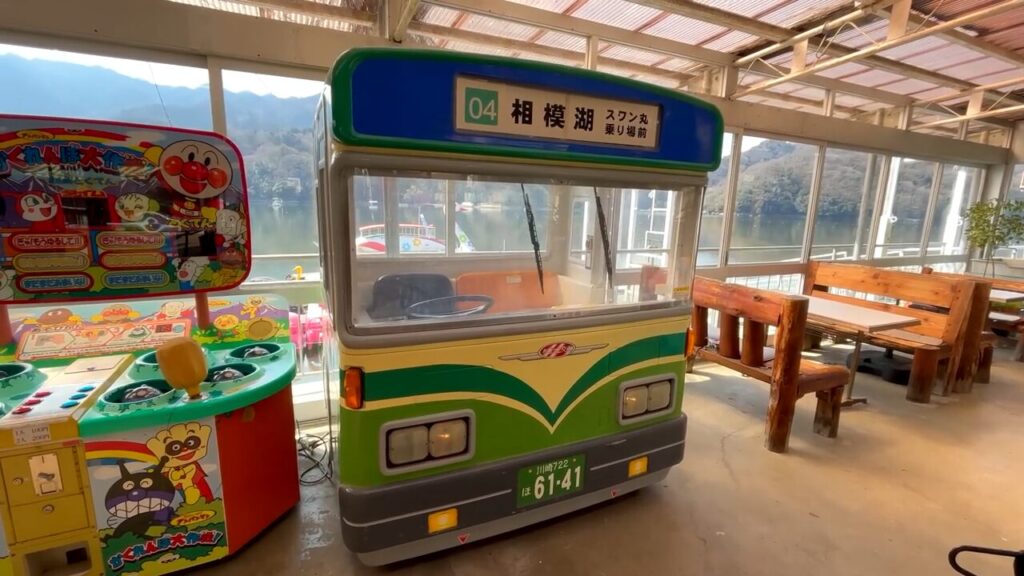
A drivable bus ride, far more advanced than the earlier toy train, let riders operate every button with impressive responsiveness — apart from a slightly stiff windshield wiper switch. A canoe-paddling ride game offered more intensity than expected, and a cabinet featuring a Mitsubishi Pajero design brought back a wave of nostalgia for anyone who grew up in the Heisei era. Even a surviving Jurassic Park arcade game was a pleasant surprise — and the best part of this whole space is that everything here is still playable, not just for display.
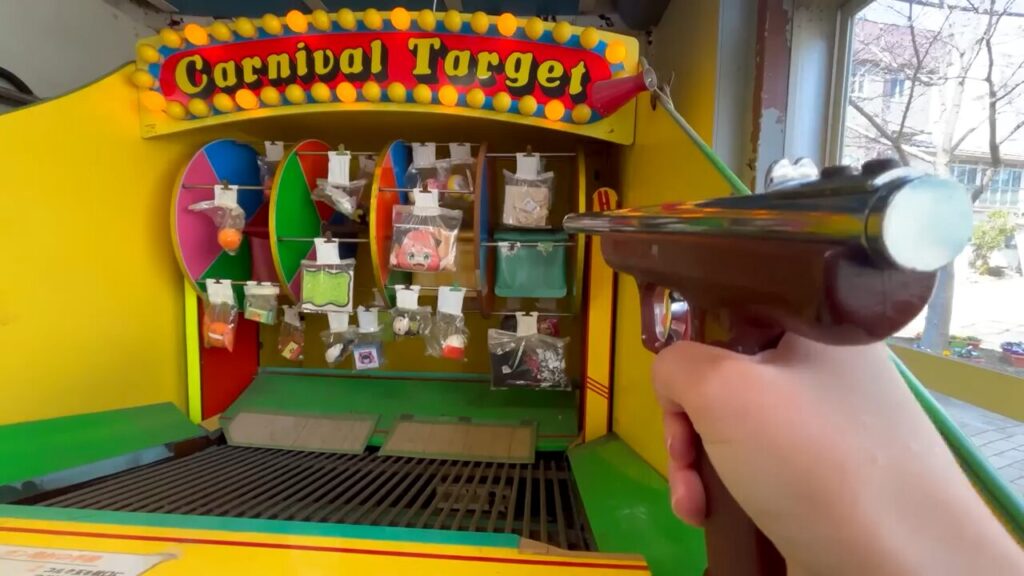
A shooting gallery used purchasable pellets — though a slight mix-up meant only two came out instead of three — in a fully self-service setup. It had been years since I’d last played a shooting gallery, and it turned out to be trickier than expected.
An Impossibly Clean Anpanman Ride
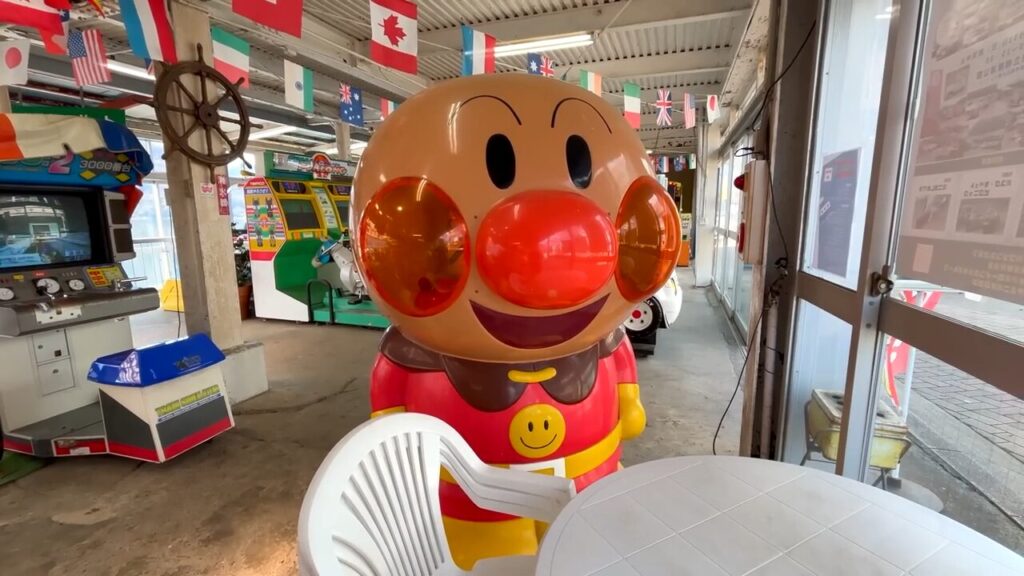
Further along, I found a ride I remembered from early childhood, and the wave of nostalgia hit immediately. This particular Anpanman ride was in nearly pristine condition — a rarity, since most surviving examples of this ride tend to be worn out or non-functional. This one worked perfectly. It genuinely felt like time travel, the kind of moment that makes you want to just stay in this world forever. Modern life, by comparison, felt a little too demanding.
Lakeside Lunch: Wakasagi Set Meal
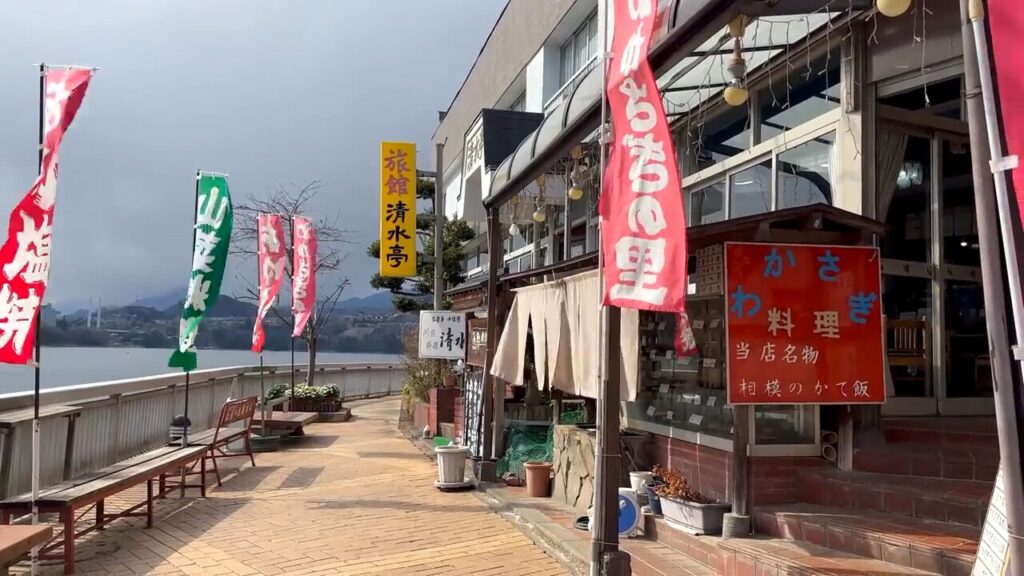
Lake Sagami itself was formed by the construction of the Sagami Dam, and it was once a popular trailhead for hikers descending Mt. Takao. It also served as the canoeing venue for the 1964 Tokyo Olympics. These days, though, most of the shops along the lakeshore have closed, including the beloved arcade “Fuji Sports Land,” which shut its doors in 2022 after the owner passed away. A few restaurants remain, each carrying their own nostalgic charm.
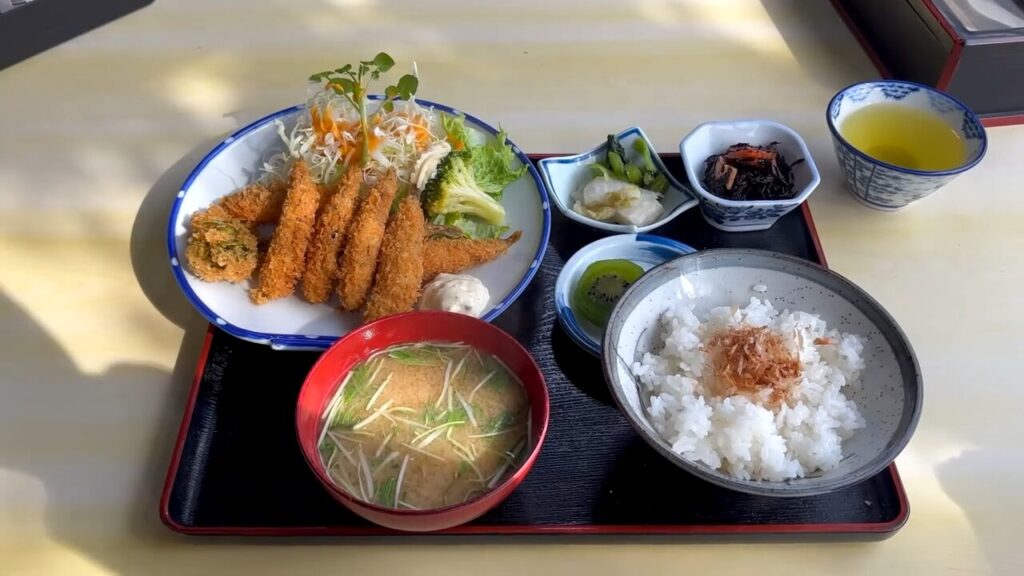
Lunch was at a restaurant that used to double as a ryokan (traditional inn) — once the closest inn to the lake, it now operates as a restaurant only. Being the only customer at that late hour, I ordered the “Wakasagi Set Meal” (1,260 yen), featuring smelt fish caught locally, some growing over 10 centimeters long here in Lake Sagami. The fish was remarkably tender, and genuinely delicious — easy to imagine how many people once filled this restaurant for meals just like this.
Solo Boating and a Village Beneath the Water
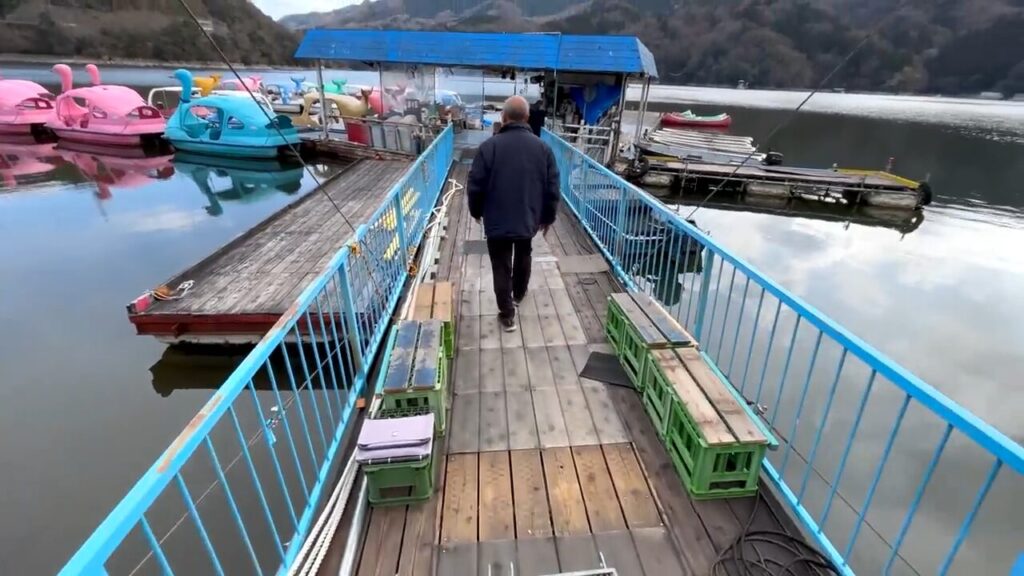
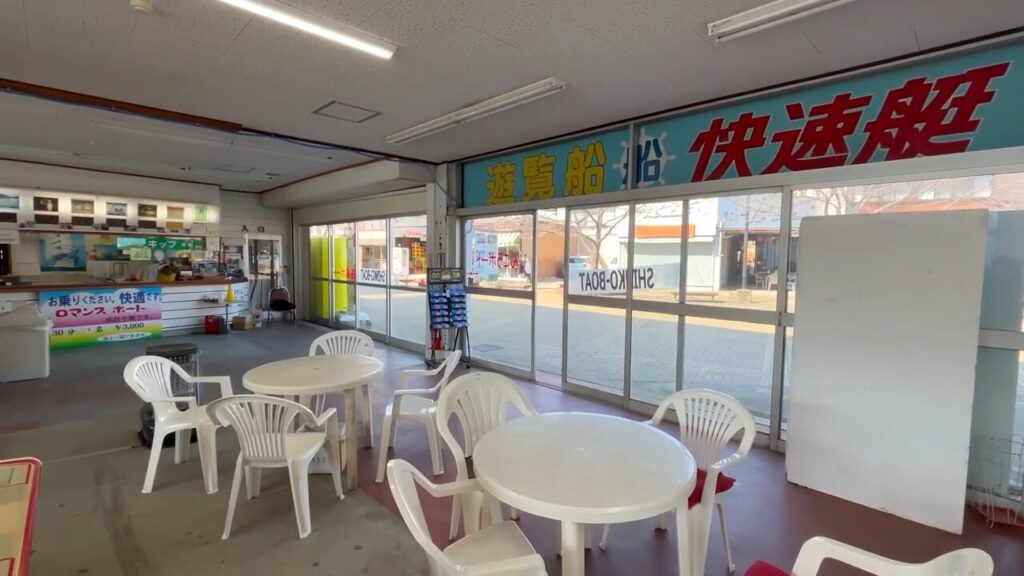
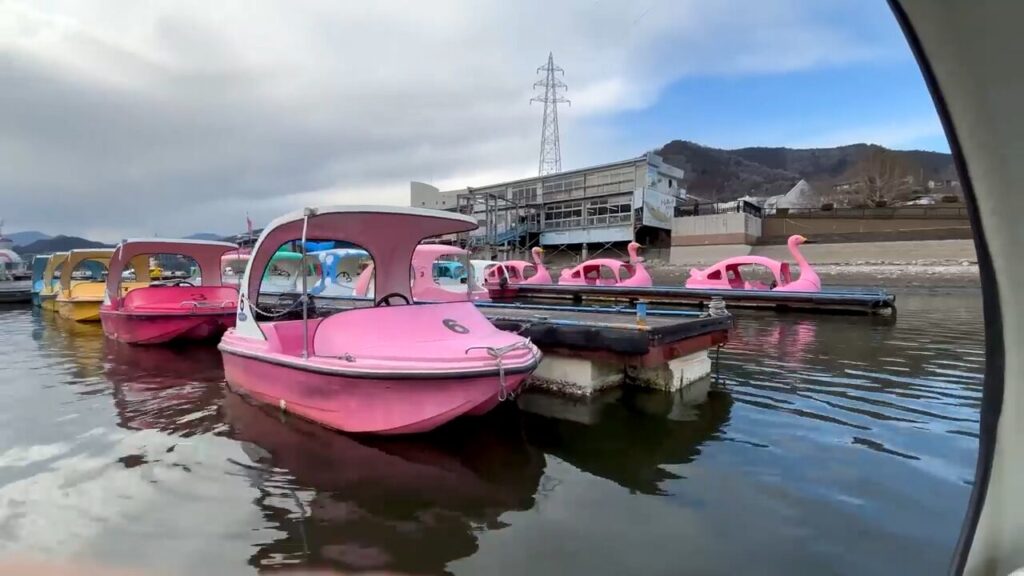
No visit to Lake Sagami would be complete without renting a boat from Sagamiko Boat itself. Normally limited to 30 minutes, I was given special permission to use it freely until closing. Rowing alone (rather than the usual two-person setup) proved surprisingly demanding from the very first strokes.
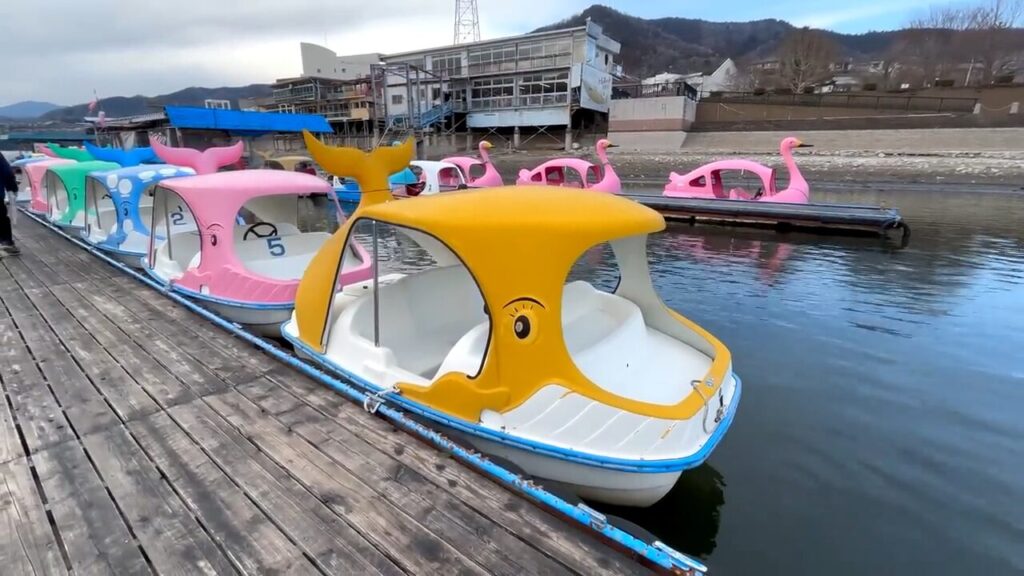
Deep in the lake, an unusual structure came into view — what turned out to be the overgrown remains of a former campground, with an abandoned, unused boat left quietly behind.
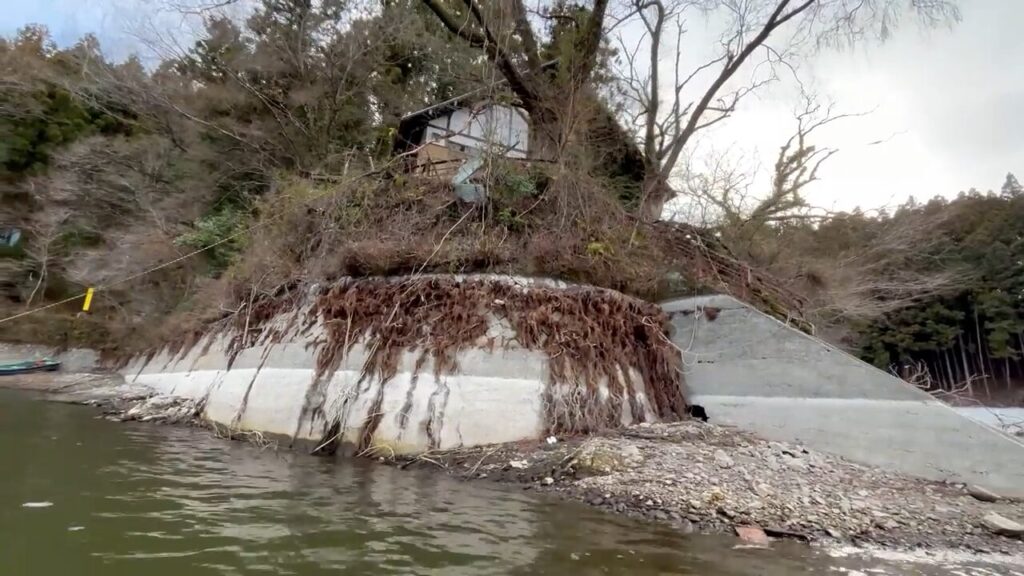
Lake Sagami itself sits atop the remains of Katsuse, a settlement with over 400 years of history that once thrived as a river transport hub along the Sagami River. When the dam was built, residents were forced to relocate, and their entire village was submerged beneath the lake. It’s hard to imagine what it must have felt like for those residents, watching their hometown disappear beneath the water.
A Well-Earned Sweet Treat
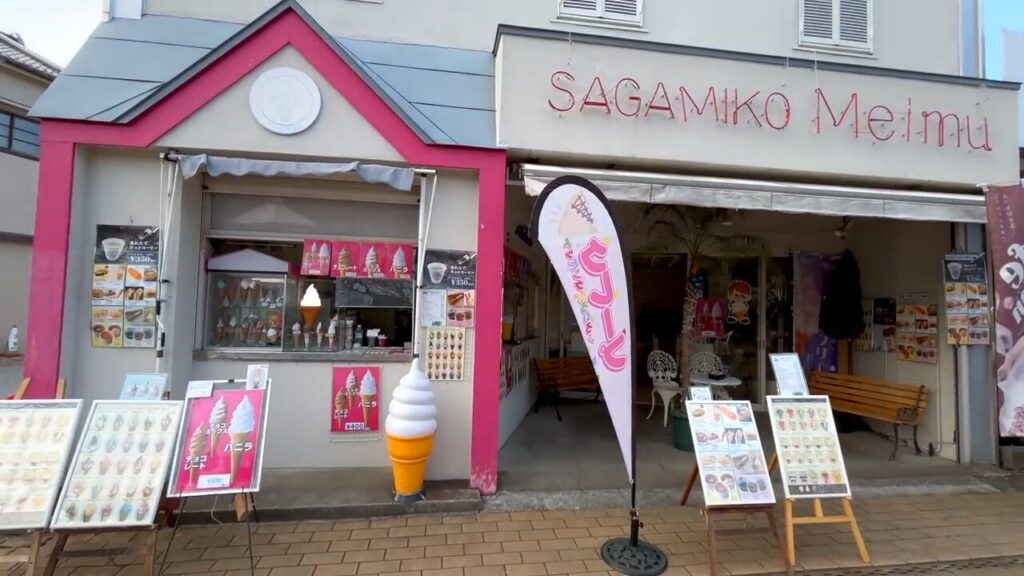
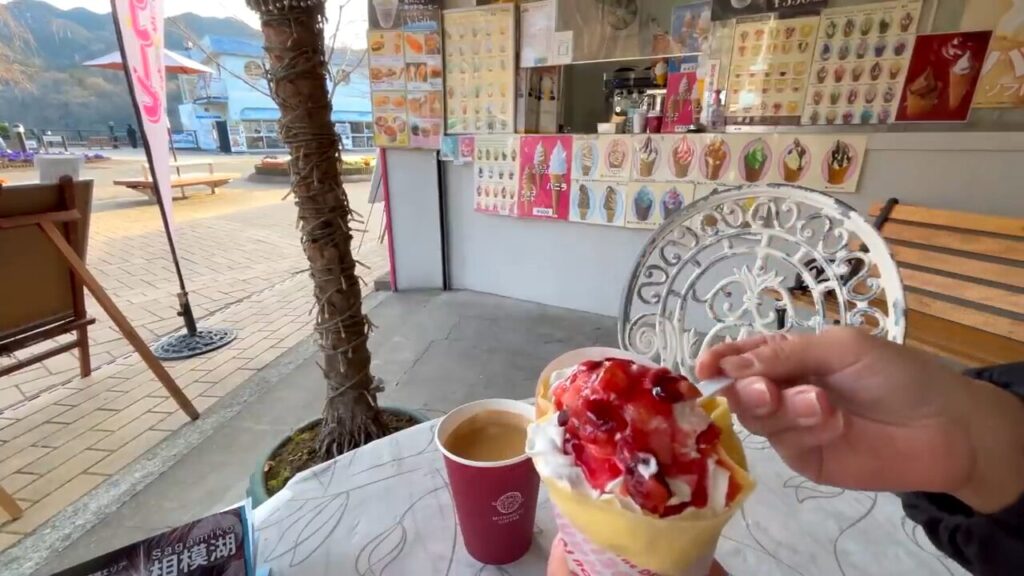
After all that rowing, a reward was in order — soft-serve ice cream, crepes, and snacks were all available nearby. I finished the day with a strawberry crepe and a hot coffee, the whipped cream generous and the sweet-tart flavor exactly what I needed.
Final Thoughts
The whole day was a deep dive into Showa-era nostalgia — from 10-yen games to a Heisei-era Dreamcore annex, and even the quiet, submerged story of a lost village. Every corner of Sagamiko Boat offered a small escape from the pace of modern life. If you ever find yourself craving that same kind of nostalgic getaway, this hidden retro world is well worth the trip.
Location visited: Sagamiko Boat (Sagamihara City, Kanagawa Prefecture)
Comments